Sheds and garden buildings are a large purchase for most people, so naturally, we want the best life for them, to get the best bang for our buck. This is why looking after, and preserving your shed is so important!
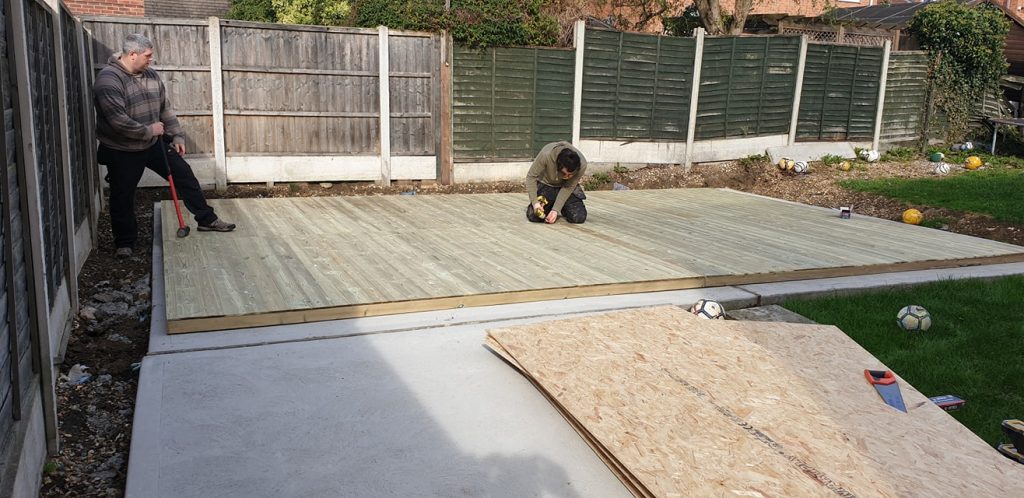
The first thing to check, which ideally should have been dealt with when first erecting a shed, is to check that the floor is level. If the base of the shed isn’t level, this will cause the shed to lean, putting pressure on the joints and could lead to the shed leaking, or even breaking completely.
Secondly, you should try and make sure your shed is always clean. No one likes a dirty shed, but leaving a shed dirty can lead to a whole manner of things, from wood rot to a build-up of mould and algae. Shed cleaning products can be purchased at most reputable garden and DIY retailers and will remove mould, algae and everything else, to make sure your shed looks perfect.
Next, you want to make sure your shed is protected using a preserving agent. All our sheds come with tanalised timber, which is a form of preservative, which will help prolong the life of your shed, but we always recommend adding extra protection, just to be safe.
Traditional products such as creosote, or paint are fine, as long as you make sure to purchase products that contain preserving agents. Most products will state on them that they are designed to protect and preserve your shed, but if not, we recommend checking with the retailer to make sure they do.
We also recommend treating your shed with a preservative often. This makes sure the preserving agents in your chosen preservative are doing the best job they can.
Placing a shed in between bushes or trees make look nice, but this isn’t always a good thing for your shed. Bushes, trees, and plants can protrude into your shed, causing structural damage, inevitably causing leaks or even breaking the shed completely. Making sure there is space between any foliage and your shed will ensure this never happens.
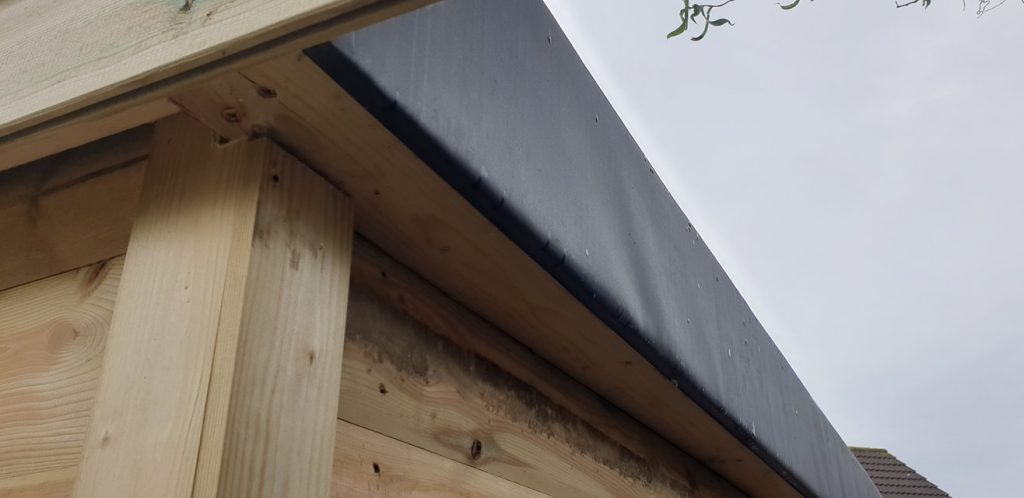
Finally, we always recommend keeping an eye on the roof of the shed. Whether the roof is felted, or covered in a different manner, you always want to make sure it is fully intact and doesn’t have any leaks. Catching a leak early, and rectifying it will prevent the leak damaging the inside of the shed, and ultimately destroying it entirely.
This website uses cookies to improve your experience. We'll assume you're ok with this, but you can opt-out if you wish.AcceptReject
Privacy & Cookies Policy
Privacy Overview
This website uses cookies to improve your experience while you navigate through the website. Out of these, the cookies that are categorized as necessary are stored on your browser as they are essential for the working of basic functionalities of the website. We also use third-party cookies that help us analyze and understand how you use this website. These cookies will be stored in your browser only with your consent. You also have the option to opt-out of these cookies. But opting out of some of these cookies may affect your browsing experience.
Necessary cookies are absolutely essential for the website to function properly. This category only includes cookies that ensures basic functionalities and security features of the website. These cookies do not store any personal information.
Any cookies that may not be particularly necessary for the website to function and is used specifically to collect user personal data via analytics, ads, other embedded contents are termed as non-necessary cookies. It is mandatory to procure user consent prior to running these cookies on your website.